Your Reliable Home Construction Expert for Top-Tier Home Improvements
A trusted general contractor assumes an vital role in home improvement projects. Their expertise ensures assignments are finished with exactness and attention. By focusing on quality materials and craftsmanship, they boost both visual appeal and worth. Transparent dialogue and careful planning are vital for a smooth process. However, many homeowners neglect critical factors when selecting a builder. Understanding what to prioritize can make all the difference in reaching a quality project. What should property owners evaluate first?
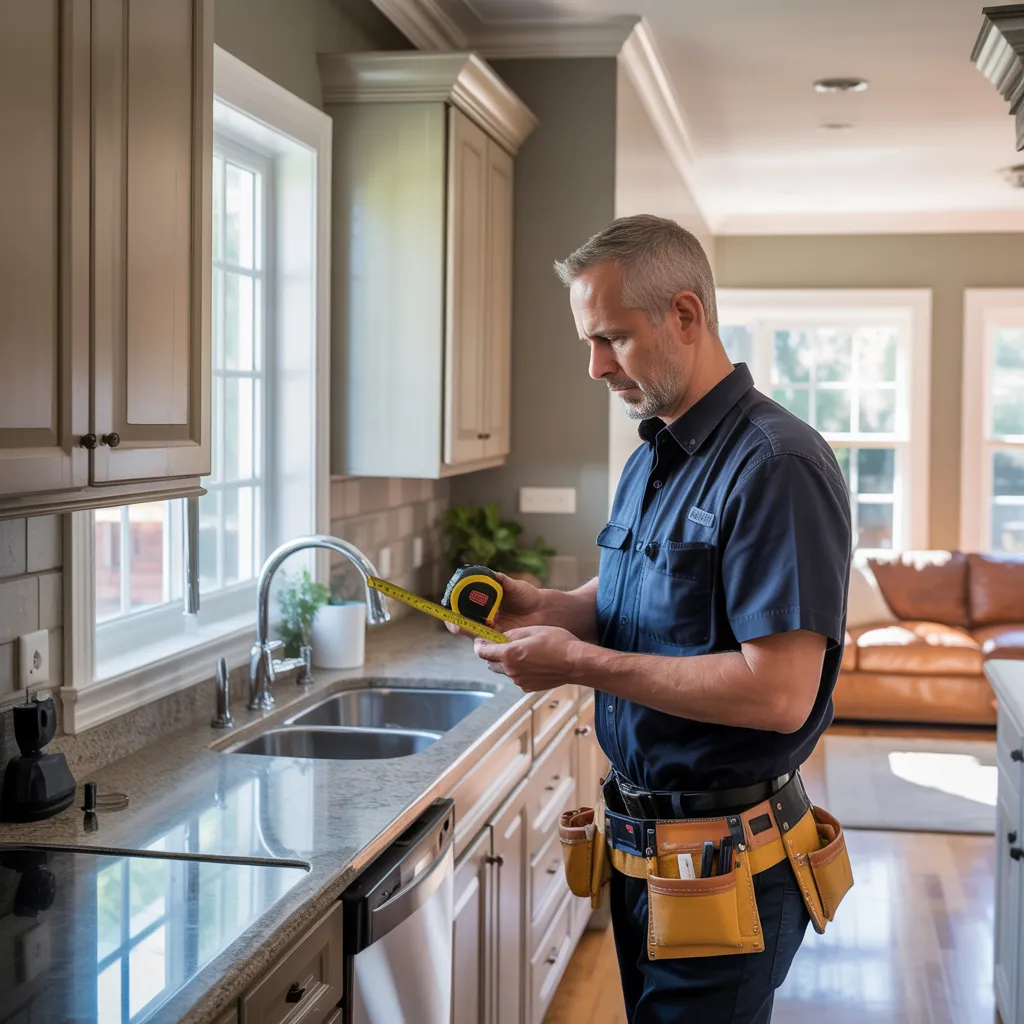
Key Points for Finding a Established General Contractor
When beginning a home renovation undertaking, how can one guarantee they choose a trustworthy general contractor? First, people should seek suggestions from friends, family, or online reviews to find potential candidates. It is essential to confirm credentials, including permits and coverage, ensuring the contractor complies with local regulations. Next, reviewing past work through portfolios or references provides insights into the contractor's workmanship and dependability.
Furthermore, obtaining multiple estimates can help gauge reasonable pricing and work timelines. Communication skills are critical; a contractor should be approachable and responsive to inquiries. In addition, a detailed agreement detailing project boundaries, timelines, and payment schedules protects both involved sides. At the end of the day, listen to your instincts; if a contractor appears unprofessional or vague, it could indicate future issues. By following these guidelines, homeowners can considerably boost their odds of success of details selecting a trustworthy general contractor, ensuring excellent home renovations.
Why a Local General Contractor Is Your Ideal Choice
Choosing a local general contractor can significantly improve the success of residential renovation projects. Area contractors possess invaluable knowledge of the region, including construction codes, rules, and zoning laws, ensuring compliance and efficiency. Their established relationships with vendors and trade professionals can result in better pricing and timely access to supplies and experienced workers.
Furthermore, local contractors often have a standing to maintain within the community, encouraging them to deliver high-quality work. This feeling of responsibility builds trust and confidence among property owners.
Furthermore, nearness supports improved communication and faster turnaround, which can be essential during a project. Homeowners can also collect recommendations from neighbors or friends who have had past dealings with the contractor, providing peace of mind. Overall, choosing a local general contractor not only bolsters the community but also optimizes the overall quality and experience of home improvement activities.
A Detailed Guide for Your Residential Upgrade Experience
Initiating a home improvement initiative necessitates meticulous planning and execution. Creating a project schedule is crucial to guarantee that jobs are accomplished efficiently, while choosing premium products can significantly influence the project's success. This guide will describe these important steps to assist homeowners tackle their enhancement journey successfully.
Creating Your Project Timeline
An organized project timeline is vital for effective home improvements, making sure that each phase is executed smoothly. Initially, homeowners should define the project's scope, setting defined goals and expected outcomes. Following that, they should consult with their general contractor to agree upon a practical timeframe considering the project's complexity and necessary tasks. Dividing the project into smaller phases supports improved tracking and adjustments when needed. It's also crucial to anticipate potential delays, like weather conditions or supply chain issues, which could impact the schedule. Regular meetings with the contractor help avoid delays. Ultimately, having a clear timeline enhances communication and manages expectations, resulting in a more streamlined home improvement experience.
Evaluating Superior Components
Picking high-quality materials significantly influences the results of home improvement jobs. To begin with, homeowners must identify the exact requirements of their job, accounting for aspects like durability, aesthetics, and financial constraints. Studying various supply options is crucial; this involves learning about the pros and drawbacks of each. Speaking with specialists can deliver valuable guidance on reliable brands and distributors.
Next, property owners should ask for samples to evaluate the appearance and texture of materials in person. Contrasting prices across various suppliers can help ensure competitive pricing without sacrificing quality. Finally, confirming that materials comply with local building codes is crucial for safety and compliance. By carefully choosing materials, homeowners can improve both the lifespan and visual appeal of their renovations, ultimately increasing the worth to their property.
Communicate Your Vision Like a Pro
Successful home renovations often depend on the capacity to convey a clear vision. Homeowners should express their ideas, preferences, and requirements, making certain that they convey their wishes effectively to their general contractor. A clearly-outlined vision not only helps in matching the contractor's strategies with the homeowner's objectives but also streamlines the planning process.
Visual elements like preliminary sketches and mood boards can markedly strengthen communication. They provide a physical reference that demonstrates aesthetic preferences, color choices, and spatial layout. Additionally, promoting transparent communication encourages teamwork, allowing the contractor to ask for clarification and deliver insights.
Establishing achievable timelines and spending limits is equally important. Property buyers should be ready to address constraints openly to avoid misunderstandings later. In conclusion, sharing a vision with clarity and certainty enables both parties, laying the way for accomplished project execution and gratifying results in home improvement efforts.
The Significance of High-Grade Materials and Skilled Workmanship
During renovation work, the selection of durable materials strongly influences a project's longevity and capability. Comparably essential is skilled craftsmanship, which confirms materials are used successfully. In combination, excellent materials and accomplished craftsmanship produce results that endure through time.
Durable Material Choosing
A carefully picked range of tough materials can markedly impact the lifespan and aesthetics of home improvements. Superior materials not only enhance the visual appeal of a space but also confirm that renovations survive the test of time. Homeowners should prioritize materials with demonstrated strength, such as hardwood, stone, and high-grade metals, which resist wear and tear and environmental damage. Additionally, choosing materials appropriate for the local climate can eliminate issues like rot or corrosion. Putting money in sturdy options may require a higher upfront cost, but the long-term benefits—fewer repairs and replacements—make it a prudent choice. Ultimately, the right materials enhance a home's value and overall satisfaction for years to come.
Understanding the Necessity of Skilled Craftsmanship
Quality technical skill plays an essential role in the success of domestic renovations, supplementing the selection of robust materials. Talented professionals guarantee that every dimension of a project is executed with meticulous care, enhancing both functionality and beauty. Attention to detail in construction, from framing to finishing touches, substantially impacts the long-term durability and reliability of home features. Quality technical skill not only expresses a commitment to excellence but also prevents the occurrence of future issues, such as construction defects or cosmetic imperfections. Additionally, veteran craftspeople understand the nuances of various materials, verifying they are implemented effectively. Ultimately, investing in skilled technical skill leads to a more fulfilling and persistent result, enhancing the overall monetary worth of the home and the property owner's contentment.
Usual Renovation Pitfalls and How to Dodge Them
Countless property owners run into pitfalls during remodeling projects that can lead to expensive delays and dissatisfaction. A typical mistake is miscalculating the budget. Lacking a thorough budget framework, unexpected expenses can surface rapidly, jeopardizing the project. Additionally, failing to get necessary permits can result in penalties and construction halts, complicating the renovation process.
Another common mistake is hurrying the decision-making process. Hasty choices concerning design and layout can lead to disappointment later on. Homeowners often overlook the importance of employing qualified experts, which can compromise the work quality and standards for safety.
Ultimately, poor communication with contractors may result in misunderstandings and unfulfilled desires. To sidestep these issues, homeowners should emphasize detailed planning, obtain the necessary approvals, hire qualified professionals, and establish transparent dialogue throughout the renovation undertaking. By correcting these routine errors, homeowners can deliver a more efficient and gratifying renovation undertaking.
What Materials Should You Pick for Your Renovation?
How can property owners guarantee they choose the right products for their remodeling work? Initially, they should assess the specific needs of the space, considering factors such as performance, aesthetics, and longevity. Researching various materials is essential; homeowners should analyze options based on their appropriateness for the intended use and local climate conditions.
Collaborating with a trusted general contractor can furnish valuable insights into material choices, confirming that decisions adhere to both cost limits and design aspirations. In the same way, homeowners should advocate for environmental stewardship by reviewing eco-friendly materials that lower ecological consequences.
At last, testing options can help in making informed decisions, letting property owners to see how materials will appear and respond in their space. By fulfilling these stages, homeowners can assuredly select products that strengthen their project while maintaining quality and longevity.
Regularly Requested Questions
How Should I Confirm a Contractor Licenses and Insurance?
To confirm a contractor's licenses and insurance, one can inspect state regulatory agencies and insurance providers. Additionally, requesting documentation of licenses and insurance from the contractor directly ensures authenticity and compliance with regulations.
What Is the Common Duration for Domestic Enhancement Undertakings?
The common timeline for home improvement projects fluctuates, often stretching from a few weeks to several months, depending on how complex the project is, size, and needed permits. Collaboration with the construction firm can help create a more accurate plan.
Can I Stay in My Home During the Renovation Project?
Yes, one can reside in a home during remodeling, though it often relies upon the project's scope. Minor renovations may permit continued residence, while extensive work might require temporary relocation for safety and comfort.
What Payment Forms Are Usually Accepted by Contractors?
Contractors usually accept a variety of payment methods, including cash, checks, credit cards, and digital payment platforms. Some may also offer financing alternatives, giving clients leeway in handling renovation costs and payment schedules.
What's the Right Approach to Address Disagreements With My Contractor?
To tackle disagreements with a contractor, one should communicate in clear terms, document each transaction, and reach settlement through collaborative discussion. If remains unresolved, dispute resolution or judicial action may be mandatory to secure one's interests in an optimal way.